Download 5 Ways To Jumpstart Your Health
The Benefits of Family Meal Time
 Maggie Williams
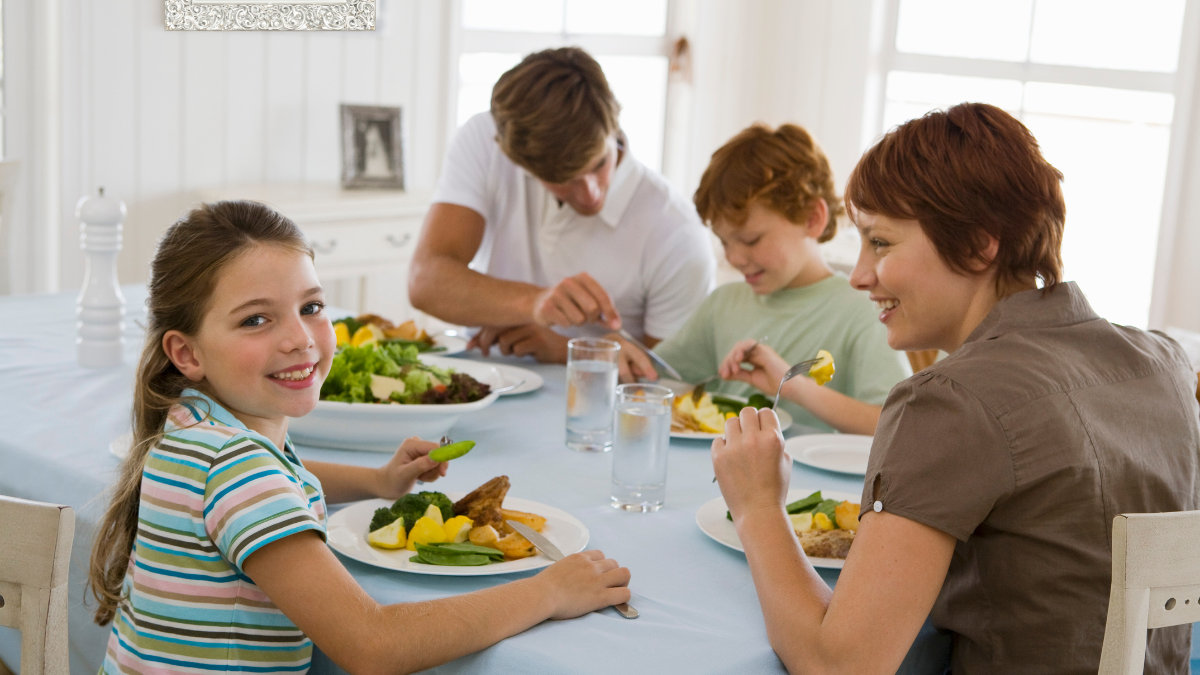
It's hard to get everyone in a family to sit down for a meal together, but the amazing benefits far outweigh the inconveniences. Let's eat together.
Who remembers sitting around a noisy dining room table enjoying a home-cooked meal while trying to talk over each other?
I have great memories of those times. There were eight of us, and no one had to tell us twice that dinner was ready. My dad and us 6 kids loved my mom's cooking, so we always looked forward to whatever she had fixed.
In the majority of homes in America today, it's quite a different story. In most cases, both parents work, and the children have after-school activities ending at various times, so it's become harder and harder to get everyone on the same schedule.
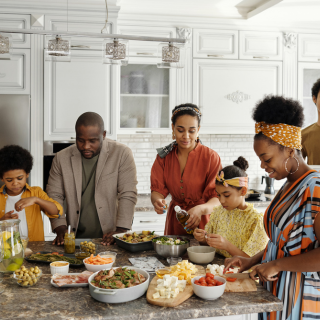
Between sporting events, play practice, academic clubs, community projects, music lessons, and youth group at church, kids are pulled in every direction and busier than ever.
If you find yourself in that situation, my goal is not to shame you but to share some of the powerful benefits of family mealtime. My hope is that you will do whatever it takes to start making it a priority, even if it's only a few nights a week.
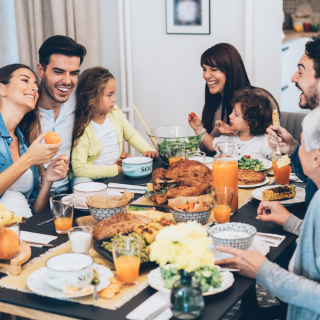
So, what's the big deal, anyway? You may have been raised in a family that didn't eat meals together, and you turned out just fine.
For starters, we're living in different times, and so many challenges are coming at us in unexpected ways. Families are spending less and less time together, so kids and parents look elsewhere for real engagement and connection instead of with each other.
So, let me give you 5 reasons family meal times are so important, even if there are no kids left at home and it's just the two of you. These principles work for adults just as much as for kids.
1. Eating meals together supports strong family ties.
Sharing your day over a meal is a great way to build strong relationships, especially for children. They need to know that they belong.
When the atmosphere is relaxed, it's easier to let other members of the family into your world. Whether it's talking about the things that happened at school or work, it gives you a place to stop the outside noise and focus on the people around you.
It gives everyone else a bird's-eye view into each person's world and offers them a safe place to be real and take the masks off. They can talk openly about situations and get honest feedback.
It's where children often learn about their parents' values, beliefs, and how current events affect them as a family. Precious memories are built around kitchen tables that are irreplaceable. Kids going home to an empty house and having to prepare their own meal may be missing out on that.
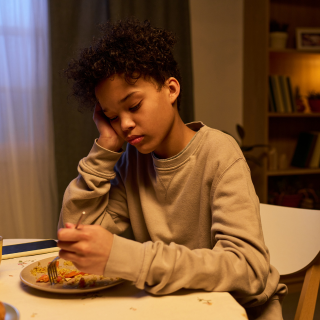
2. Kids, in particular, have a better self-image when they enjoy family time around meals.
Even in the midst of occasional disagreements and strife, it offers them a sense of security, and they know that ultimately they are part of a family.
This also helps build children's social and conversational skills. They'll be less likely to feel awkward when they go out in public.
Conversations around the dinner table encourage deeper closeness and a tight family bond. It will often open up a place to deal with struggles faced at school or work. Each person can be heard and seen.
When mealtime isn't prioritized, and family members eat at different times, it breeds isolation and possibly loneliness.
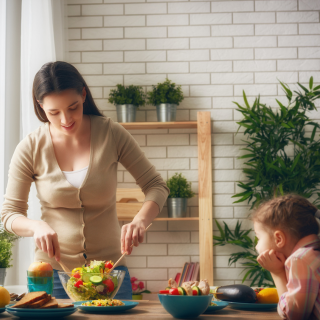
3. Family members will be less likely to suffer from emotional issues like anxiety and depression.
If one person is struggling, others will notice it faster when they're regularly eating meals together.
Sitting around a table together, you'll be able to notice that one person is being especially quiet or sad. That's often a clue that they didn't have a good day, and it's an opportunity to help them express their feelings.
Family life is so busy, and eating together allows everyone to slow down, even if it's only temporary. It's also a way to catch any uncharacteristic strange behavior that might be surfacing.
Because of the relationships they develop at home, older children and teens are less likely to get into trouble and start running with the wrong crowd.

4. Children who eat at home tend to have better grades.
Eating a high-sugar and overly processed diet will negatively affect their concentration, memory, and ability to retain information and sit still.
Sitting around the dinner table was often a time to discuss school projects, ask questions about a subject, or talk about problems they've had with another student or teacher.
Parents can find out what their children are learning and provide wise counsel. Often controversial topics come up, and the parents can use that time as a teaching moment and discuss it as a family.
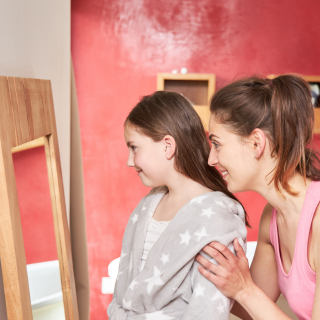
5. Both children and adults who eat most of their meals at home are better able to maintain their weight and are healthier.
Grabbing fast food and eating on the run puts you in the fast lane to picking up bad habits and damaging your health. Most of that food is highly processed and can lead to obesity.
It's easier to monitor how much your child is eating when you are together. You'll see if they're eating all of their vegetables or skipping the meal altogether.
Get your kids to help plan meals that they enjoy. Show them how to prepare simple dishes and give them age-appropriate chores they can handle. This is a way to teach them life skills they'll need in the future.
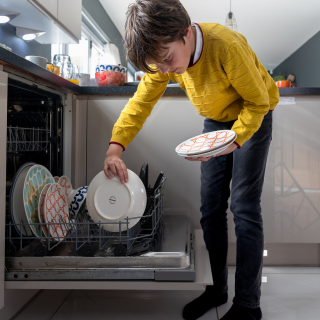
When they're involved in the planning process, they're more likely to eat what they helped make. They'll also be more willing to try new things.
3 Keys to make family mealtime work:
1. Turn off the TV.
2. Put all electronic devices away.
3. Keep the conversations positive and respectful.
Mealtime, whether breakfast or dinner, may be the only time that the family is all together at one time. Try to plan a few times through the week that everyone can sit down as a family.
When possible, avoid scheduling things on those nights. It may need to rotate based on school activities or meetings. The benefits far outweigh the inconveniences. You'll have to be flexible and intentional.
Most of all, make mealtime enjoyable and something your family looks forward to rather than something they try to get out of. Is it going to be easy? Absolutely not, but I believe it's far more important than most people realize.
Leave me a comment and let me know where you may feel stuck.
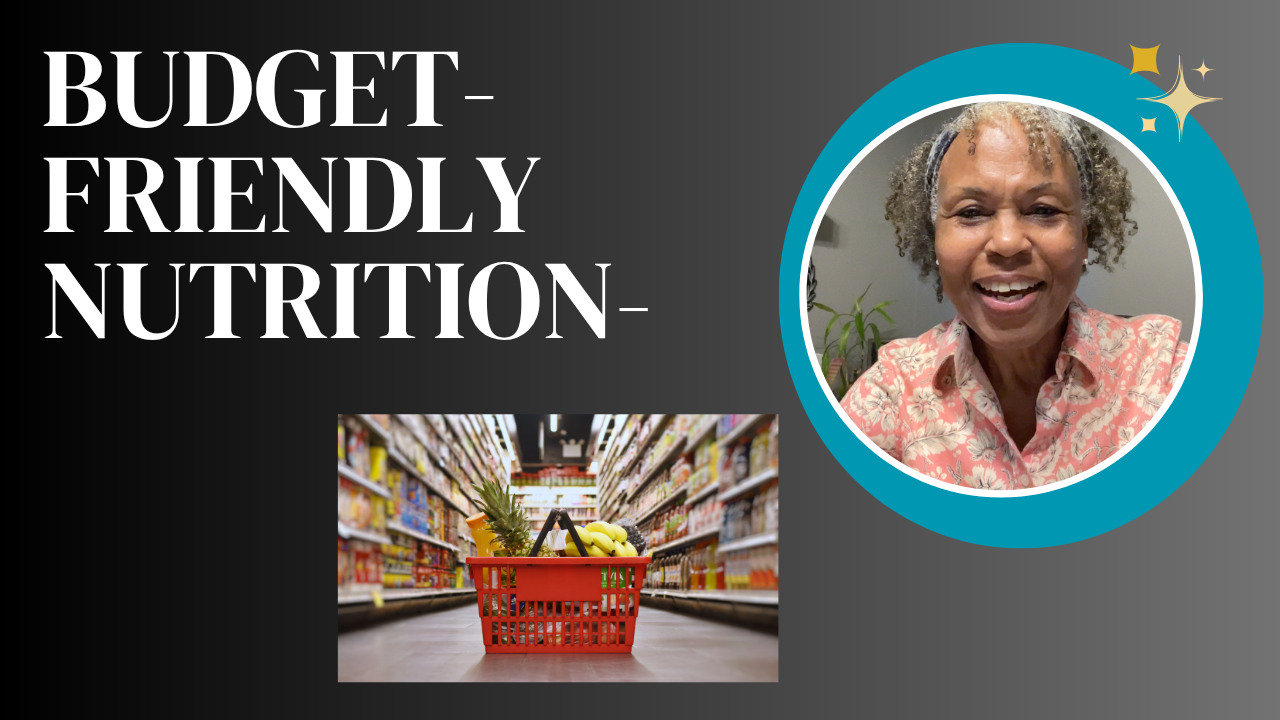
If planning healthy meals feels a bit overwhelming, I have just what you need. It's my popular course, Budget-Friendly Nutrition: A Guide to Eating Healthy During Tough Times. There are five videos in the series.
Module 1 - Discover Common Food Myths
Module 2 - Discover Which Foods Are good For you and Which Are Not
Module 3 - Meal Planning Around Your Busy Family
Module 4 - Streamline Your Time in the Kitchen
Module 5 - Slash Your Grocery Bill
Bonus videos - My Favorite Kitchen Tools
We all could use a little help in this area. Use the Coupon Code, Blog, to get $10 off at Checkout.
The family dinner table is where some of life's best memories are made.
Categories: : Emotional wellness, Godly, purpose-filled life, Healthy eating

Being healthy doesn't have to be so hard.
Get weekly updates on living the life God intended.
I share how to have a healthy spirit, mind, and body by creating habits and routines, so you can go after your dreams and fulfill your God-given purpose.
I have read and agree to the terms & conditions.